
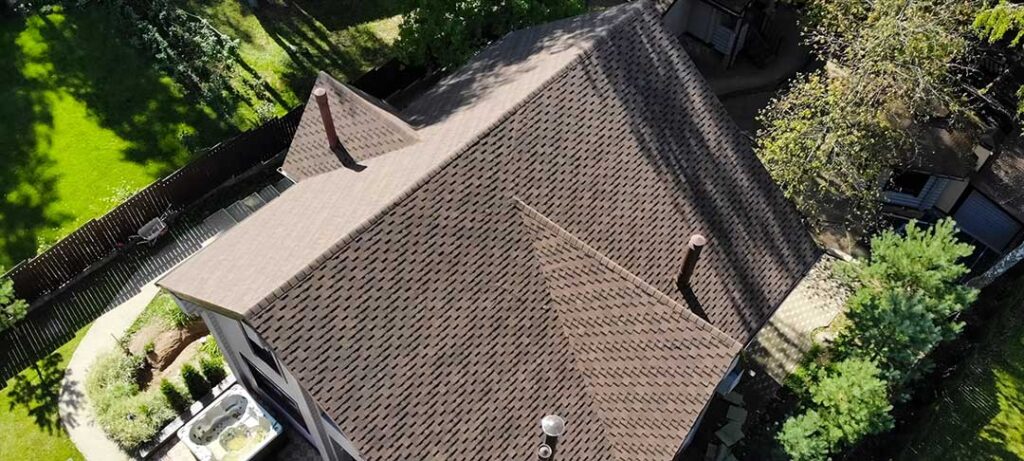
Why Does Roof Shape Matter for Homes in Trumansburg, NY?
The shape of a roof affects much more than just how a house looks from the street. In Trumansburg, roof design plays a role in a home’s ability to handle local weather, provide attic space, and even meet historic or neighborhood aesthetics. Choices made about roof style can influence how comfortable, energy-efficient, and structurally sound a house is throughout the year.
How Common Roof Shapes Impact Durability Against Trumansburg’s Weather
In Trumansburg, snow load, wind, and rain are key factors for roof design. Roof slopes, angles, and overall shape affect how easily precipitation is shed and how well a roof stands up to seasonal changes:
- Steep gable roofs are popular in the region because their pitch sheds snow and water efficiently, reducing the risk of leaks or heavy buildup.
- Hip roofs (where all sides slope down to the walls) offer greater stability against wind and can manage moderate snowfall, though they’re a bit more complex to build.
- Flat or low-slope roofs are less common for primary residences here but may be found on porches, additions, or mid-century homes. These require careful waterproofing since water and snow can pool, increasing maintenance needs.
Residents sometimes mistakenly assume all traditional roof shapes perform equally well. However, a shape that works for dryer or milder climates may not be ideal locally. Structural failures often trace back to mismatches between roof form and weather demands.
What Does Roof Shape Mean for Interior Space and Storage?
Roof shape doesn’t only affect outside appearance—it also determines interior possibilities:
- Gable roofs allow for attics or vaulted ceilings, making it easier to finish or insulate upper floors.
- Gambrel roofs (the barn-like, double-sloped style) provide even more usable upper-level space, making these a practical choice for storage or finished rooms.
- Flat roofs typically restrict the amount of overhead and attic space, so they're less favored by homeowners looking to maximize storage or utility spaces.
Area households planning renovations or expansions often weigh roof shape carefully to balance architectural style and the space demands of growing families.
Does Roof Shape Affect Energy Efficiency in Local Homes?
The angle and design of a roof can influence how well a home holds heat in winter or stays cool in the summer—a notable concern in Trumansburg’s variable climate. Simple roof shapes generally allow for better insulation and ventilation. For example:
- A well-ventilated, insulated gable roof limits ice damming and maintains comfortable indoor temperatures.
- Complicated rooflines with many valleys can create weak points where insulation is hard to install evenly, leading to drafts or heat loss.
- Hip roofs, while energy-efficient when built with proper insulation, can be harder to ventilate due to their enclosed design.
Residents sometimes overlook attic ventilation when considering energy savings. However, poor airflow can lead to moisture problems and higher heating or cooling bills over time.
How Do Roof Shapes Influence Curb Appeal and Neighborhood Character?
The look of a roof often sets the tone for a home’s curb appeal. In Trumansburg, certain streets or historic districts have a recognizable roofline profile. For example:
- Older farmhouses and Craftsman homes often feature steep gable or cross-gabled roofs.
- Greek Revival and some Victorian homes may have low-pitched or hipped roofs.
- More modern renovations might include shed roofs (a single sloped plane) or flat roofs, but these can stand out visually among traditional neighbors.
Misconceptions sometimes arise about needing to match a roof style to fit in. While harmony with a home’s original style or neighborhood context helps maintain visual cohesion, practical needs and contemporary materials also influence local choices.
What Maintenance Issues Should Residents Know Based on Roof Shape?
Different roof forms mean different upkeep requirements:
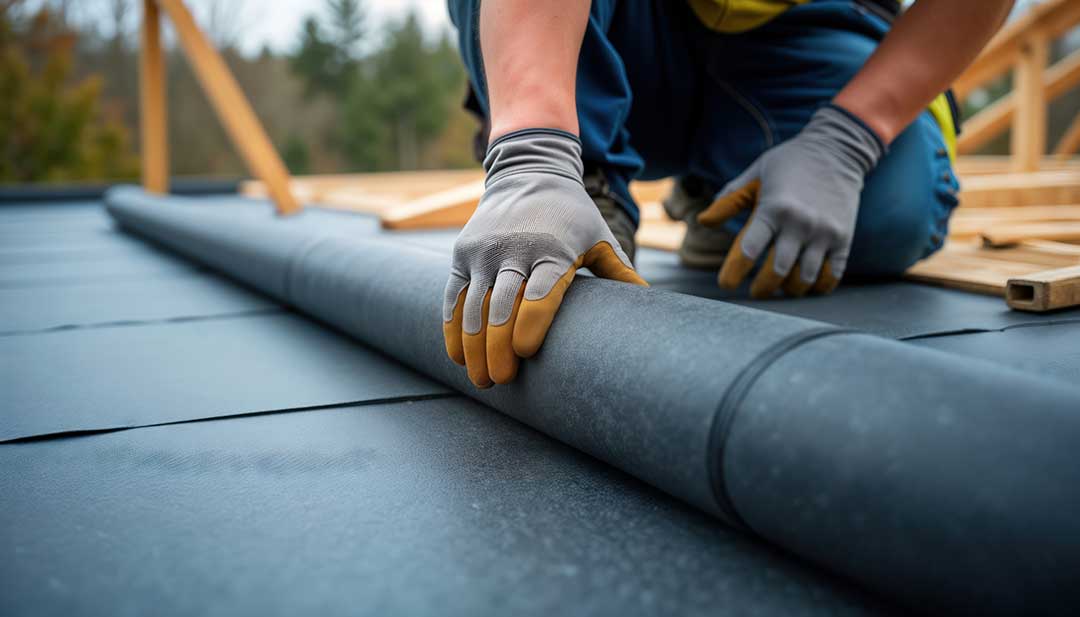
- Gable roofs usually offer straightforward inspection and repair but can be more vulnerable to wind uplift if not securely built.
- Hip roofs, with multiple slopes, have more ridges and valleys—places where debris can collect, so gutter cleaning and flashing checks are important.
- Flat roofs demand frequent inspection to catch pooling water and membrane wear.
Older homes with unique or complex rooflines may need extra attention to flashing, vent pipes, and valleys where leaks are most likely to develop.
Are There Local Regulations or Historic Guidelines That Affect Roof Design?
Some areas in and around Trumansburg place guidelines on visible roof shapes, especially in historic districts. Before changing a roofline or adding features like dormers, it’s wise to check for any municipal requirements—these rules help preserve neighborhood character.
Common restrictions relate to:
- Preserving established roof profiles on historic homes
- Limiting height or the silhouette of new additions
- Requiring specific materials or colors for high-visibility repairs
Awareness of these factors can prevent project delays and ensure updates honor the community’s architectural heritage.
What Are Helpful Considerations When Planning Changes to Your Roof?
Before altering a home’s roof shape, local residents may want to ask:
- Will a new design improve drainage and energy performance?
- How will the shape affect usable space inside?
- Is the new look compatible with the home’s age and neighborhood?
- Are there any homeowners’ association or municipal rules to follow?
It’s also wise to seek input on roof design from those familiar with local housing patterns and climate, as solutions from other regions don’t always align with the realities of Trumansburg’s weather and traditional housing stock.
