
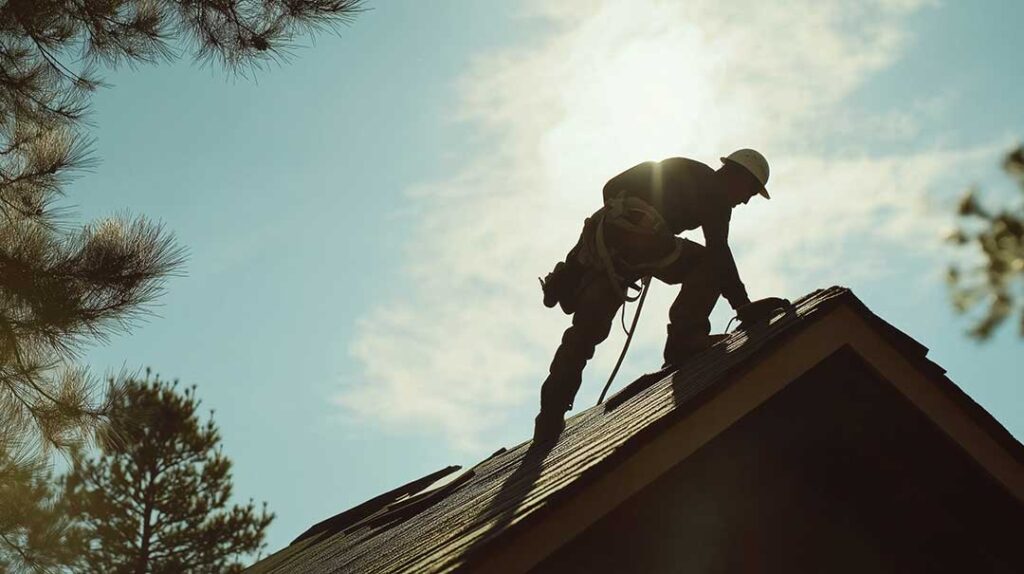
What Causes Roof Stains in Trumansburg, NY?
Roof stains in Trumansburg are often the result of a combination of climate and local environmental factors. The most common stains residents see are dark streaks or patches, usually caused by the growth of algae (Gloeocapsa magma), as well as moss, lichen, and, less frequently, mold or mildew. The region’s humid summers, seasonal rainfall, and wooded surroundings provide a favorable environment for these organisms to thrive on roofing materials.
Roof stains generally appear as:
- Black or dark green streaks (algae)
- Thick, patchy green growth (moss)
- Flat, crusty, or leafy patches with a lighter color (lichen)
While these stains are unsightly, the most common forms (algae and moss) usually develop slowly and rarely indicate immediate structural problems, assuming regular maintenance.
Are Roof Stains a Serious Problem?
Most roof staining in the community is cosmetic, but there are circumstances where stains can signal or cause roof issues. Algae stains themselves do not damage shingles directly. However, moss and lichen can retain moisture, which increases the risk of shingle deterioration, especially in the freeze-thaw cycles that occur each winter in the area. Moss can also lift shingles, allowing water to reach the underlayment. Over time, this may compromise the roof’s integrity.
If mold or extensive green staining is observed in tandem with leaking, sagging, or rotting wood in the attic, this may indicate underlying moisture problems. In these cases, basic cleaning is not enough — further inspection is advised to prevent hidden damage.
Can You Prevent Roof Stains from Forming?
Minimizing roof stains in Trumansburg starts with understanding how local conditions affect growth on shingles. Prevention focuses on reducing moisture and discouraging organic buildup:
- Trim tree branches to reduce shade and allow the roof to dry quickly after rainfall or morning dew.
- Regularly clear debris such as leaves or twigs from the roof surface and gutters, especially in autumn.
- Ensure attic spaces have proper ventilation, which keeps roofing materials dryer.
- Periodically inspect for and repair loose or damaged shingles to avoid places where moss and algae can take hold.
Some roofing materials are made with copper or zinc granules, which slowly release compounds that deter algae growth, but most homes in the city have older asphalt shingle roofs that may lack these features.
What Are the Safest Methods for Cleaning Roof Stains?
Light to moderate roof stains can often be managed by careful do-it-yourself cleaning, but the process requires patience and an understanding of roofing safety. The most effective approach is a gentle wash using a cleaning solution designed for roof algae or moss, not high-pressure power washing.
Safe roof cleaning steps:
- Mix a solution of equal parts water and household bleach, or purchase a non-corrosive roof cleaner intended for asphalt shingles.
- Apply the solution on a cool, overcast day to avoid rapid evaporation and minimize plant damage below.
- Let the solution sit for 15-20 minutes, then rinse gently with a low-pressure garden hose.
- Avoid scrubbing, which can dislodge granules from asphalt shingles.
- Use safety gear: slip-resistant footwear, ladder stabilizers, and an assistant to monitor footing if you must work on a pitched roof.
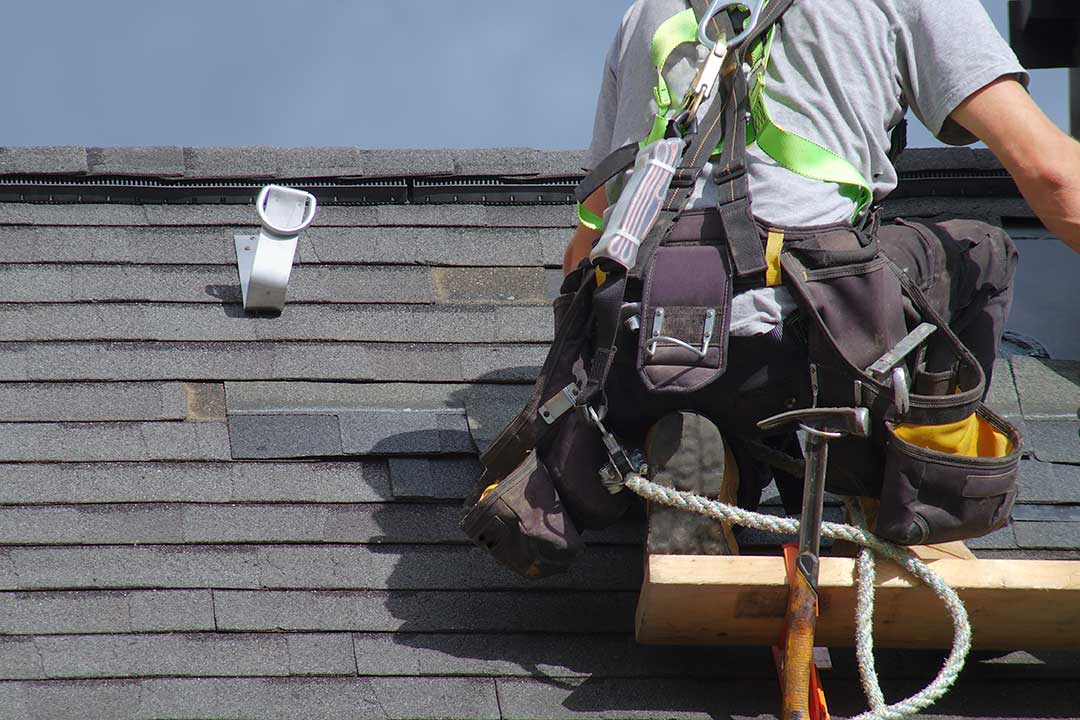
After cleaning, stained areas may take a few weeks to fully lighten as dead algae or moss washes away with rain.
Do Roof Stains Always Require Immediate Attention?
Not all stains demand urgent action. Algae stains usually do not harm the roof itself and are often left until appearance becomes a concern. Moss patches should be addressed promptly in Trumansburg due to the city’s winter freeze cycles, which can expand minor problems over time.
Residents sometimes mistake pollen, soot, or simple dirt marks for problematic stains, especially after spring storms or summer construction work nearby. These temporary discolorations often wash away with subsequent rain and do not warrant a special cleaning process.
Are Roof Cleaning Products Safe for Local Homes and the Environment?
Most off-the-shelf roof cleaning solutions are designed to be safe for shingle roofing, but runoff can impact lawns, gardens, and the local ecosystem. Before using chemical cleaners:
- Wet landscaping thoroughly before and after cleaning.
- Cover sensitive plants or garden beds with tarps if possible.
- Avoid allowing runoff to collect in storm drains or streams, as Trumansburg’s waterways are sensitive to chemical exposure from residential areas.
Environmentally conscious residents sometimes choose gentle soap-based solutions or diluted vinegar mixtures, but these may be less effective on established algae or moss.
What Are Common Misconceptions about Roof Stains?
It’s easy to assume black stains always mean a roof needs replacement, but most staining is purely cosmetic, especially with modern asphalt shingles popular on many area homes. Another misconception is that frequent power-washing is a good maintenance practice; in reality, high-pressure washing can reduce the lifespan of shingles by stripping away protective granules.
Some local households believe covering roofs with plastic sheeting in the fall will prevent staining. This approach can trap moisture and actually encourage growth below, especially during wetter seasons.
When Should Safety or Regulations Be Considered?
DIY roof cleaning involves the risk of slips and falls, particularly on steep or aging roofs. Anyone uncomfortable working at height or unsure about the roof’s condition should use caution and take extra time for safety planning. Local ordinances do not typically address cleaning, but discharging chemical mixtures into public drainage systems or waterways may be regulated. Residents should always check for updates from public works or environmental agencies regarding proper runoff management before beginning larger cleaning projects.
