
Why Recycle Roofing Materials Instead of Throwing Them Away?
Recycling roofing materials helps reduce waste in landfills and conserves resources. In the community, many homes use materials like asphalt shingles, metal panels, slate, or clay tiles. When these materials are taken off roofs, residents often wonder how to handle the piles of debris. Choosing to recycle, rather than discard, is a way to support sustainability and minimize environmental impact locally.
If old roofing is simply thrown out, it can take up significant landfill space and break down slowly. Some roofing components also have value as raw materials for new products—such as road surfaces, new shingles, or other construction items.
What Roofing Materials Can Be Recycled in Trumansburg?
Not every roofing product is recyclable, but several common types from area homes can be processed:
- Asphalt shingles: The most common roofing in the region, asphalt shingles are often accepted for recycling. They’re ground up and reused in paving projects.
- Metal roofing: Panels, flashing, and gutters made from steel, aluminum, or copper are widely recycled as scrap metal.
- Clay or slate tiles: While hard to process, unbroken pieces can be reused in landscape or building projects. Broken tiles sometimes find a second life as aggregate.
- Wood shakes and shingles: Untreated wood can be composted or chipped for mulch.
Roofing felt, certain adhesives, and some types of foam insulation generally aren’t accepted for recycling. Always separate recyclable parts from non-recyclable debris before disposal.
How Can Residents Safely Prepare Roofing Materials for Recycling?
Begin by carefully sorting materials when removing old roofing. Keep these steps in mind for safer handling and effective recycling:
- Wear gloves and dust masks to avoid cuts or inhaling particles.
- Separate asphalt shingles from nails, flashing, and felt. Many recyclers request clean, debris-free material.
- Stack shingles or tiles on pallets or tarp in a dry area to make loading and transporting easier.
- Collect metal trim, gutters, and screws in dedicated containers.
Be especially cautious of older roofs that may contain asbestos (usually in shingles made before the early 1980s) or dangerous lead paint. If you suspect hazardous materials, check state or local health department guidance before proceeding.
Where Can Recyclable Roofing Materials Be Taken Near Trumansburg?
Disposal options vary depending on the material. While Trumansburg does not have a dedicated roofing recycling center, local transfer stations and county-managed facilities often accept certain roofing materials:
- Tompkins County Recycling and Solid Waste Center accepts clean asphalt shingles and metal roofing by appointment or during special events.
- For metal recycling, check public recycling drop-off centers, which generally accept gutters, flashing, and other metal parts with regular scrap metals.
Check current rules, hours, and guidelines, as accepted materials or requirements can change based on infrastructure and recycling market demand. Residents can reference the Tompkins County Department of Recycling and Materials Management website or call the county hotline for updated instructions.
Are There Limits or Local Rules for Disposing Roofing Debris?
Local waste management facilities usually limit the volume of construction and demolition debris—including roofing—accepted from households. Trumansburg residents may need to arrange for transport in smaller loads, or take materials to permitted sites over several trips. Major roof replacements may generate more debris than can be handled in standard residential drop-offs.
The county may require:
- Proof of residency for drop-off at public facilities.
- Removal of all trash, non-recyclables, and hazardous waste before recycling.
- Roofing debris to be free of dirt, wood, and packaging materials.
Dumping roofing debris illegally or leaving it at curbside without arrangement is prohibited, and can result in fines. Always follow local bylaws for discarding building materials.
What Can Recycled Roofing Materials Be Used For?
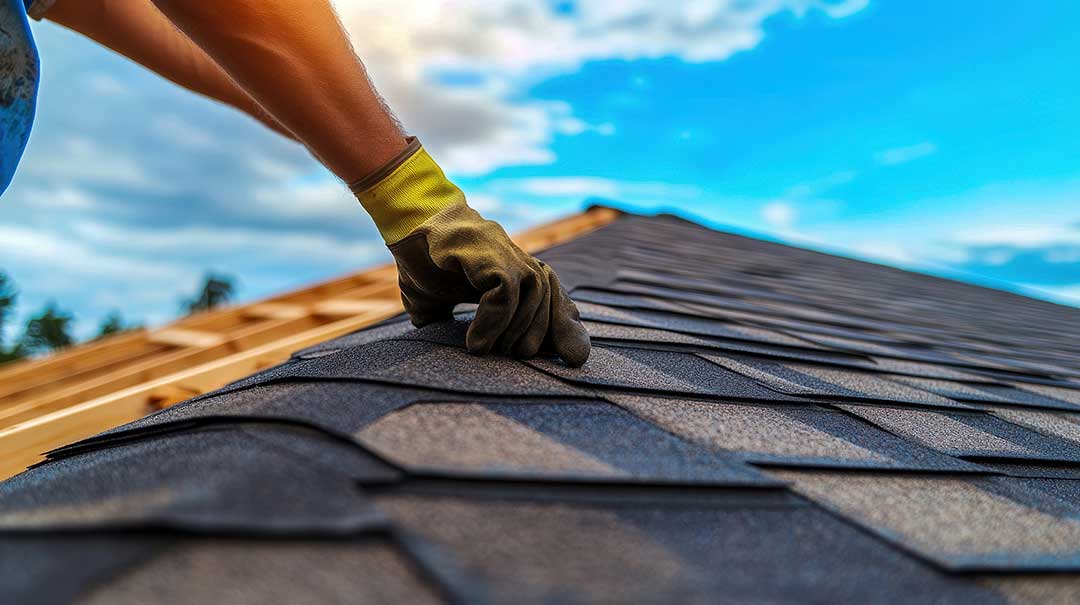
After collection, recycled roofing materials often find uses such as:
- Asphalt shingle grindings mixed into new pavement or used in pothole repair for local roads.
- Metal roofing melted down and reshaped into rebar, beams, or new metal products.
- Slate chips spread in landscaping or ground cover projects.
- Clean wood shingles processed into mulch or compost for gardens and community green spaces.
By participating in recycling, residents contribute materials that can return as valuable improvements within the area or broader region.
What Should Residents Avoid When Recycling Roofing Materials?
Several mistakes are common:
- Mixing trash or insulation with shingles, which contaminates loads and may cause rejection.
- Disposing of hazardous materials—like asbestos or tar paper—with ordinary recycling.
- Dropping off extremely wet, moldy, or dirt-caked shingles, which slows processing.
When in doubt, ask local facilities—using county resources—to clarify what’s acceptable. Avoid burning old roofing, as it releases harmful chemicals.
Are There Any Sustainable Alternatives to Roofing Material Disposal?
Some roofing components can be reused instead of recycled:
- Undamaged clay or slate tiles may be offered for free to neighbors or building projects.
- Metal pieces can be repurposed for hobbyist or artistic use.
- Leftover wood shakes can be composted if free from chemical treatment or paint.
Sharing sturdy used materials through local online groups, community exchanges, or municipal swap programs helps reduce waste and provides value to others in the city.
