
Roof work can be safe to do yourself when the task is small, the roof is easy to access, weather conditions are stable, and the person doing the work has the right equipment and experience. In Trumansburg, NY, however, seasonal snow, ice, wind, wet surfaces, and freeze-thaw conditions can make even a simple repair more hazardous than it first appears.
The safest approach is to separate minor maintenance from work that affects the roof system, structural framing, or personal fall protection.
Which roof tasks are usually reasonable for a homeowner?
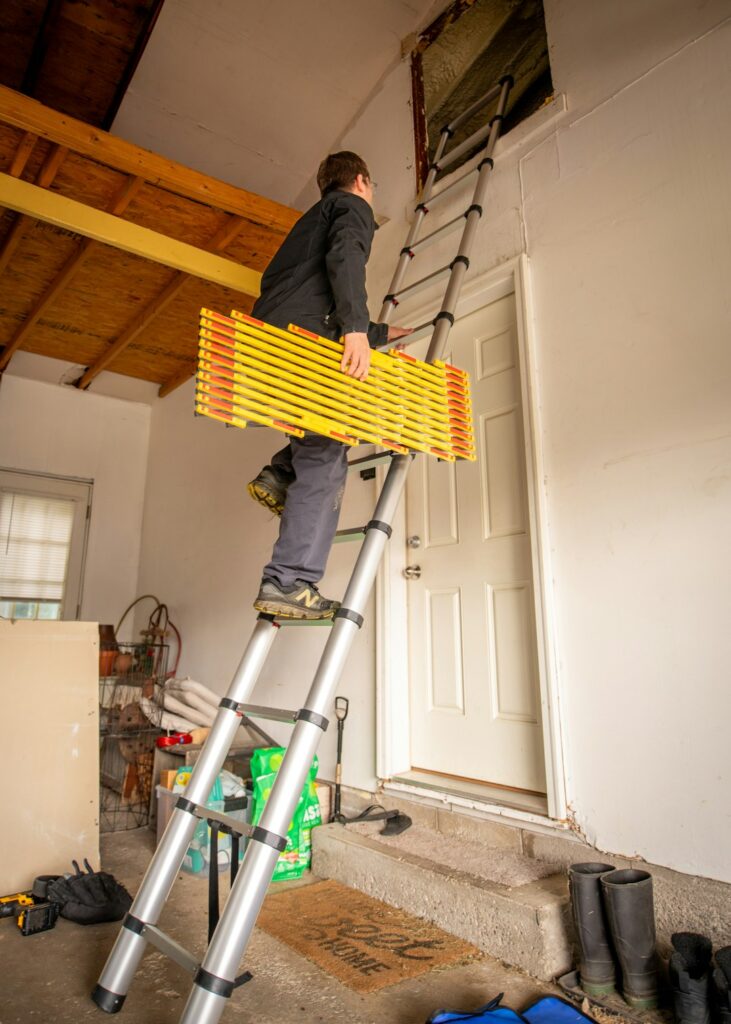
Small, low-risk tasks may be suitable for a capable homeowner who can work from the ground, a ladder, or a properly secured low-slope area without stepping near an edge.
Examples include:
- Cleaning leaves and small debris from gutters while standing on a stable ladder
- Removing branches that have fallen onto a roof, if they can be reached safely without climbing onto the roof
- Replacing a missing gutter screen or adjusting a downspout
- Inspecting attic insulation, ventilation, or signs of water entry
- Photographing damaged shingles from the ground for later evaluation
- Sealing a minor gap around a plumbing vent or flashing area when the location is safely reachable
- Clearing snow from accessible ground-level areas around entrances and downspouts
Even these tasks require caution. A ladder can slip on frozen soil, damp decking, or uneven ground. Gutters may not support a person’s weight, and roof surfaces that appear dry may have a thin layer of invisible frost.
A useful rule is simple: if the task requires walking on a steep roof, reaching beyond a ladder’s safe working position, or carrying bulky materials overhead, it is no longer a minor maintenance job.
What weather conditions make roof work unsafe?
Dry, calm, moderate weather is the safest window for exterior roof maintenance. Wet, icy, windy, or rapidly changing conditions can turn a manageable task into a fall hazard.
Avoid roof work during:
- Rain, freezing rain, sleet, or active snowfall
- Frost or visible ice on shingles, metal, ladders, or decking
- Strong or gusty wind
- Heat that makes shingles soft and easily damaged
- Temperatures low enough to make sealants, adhesives, or roofing materials unreliable
- The hours immediately after a freeze when shaded roof areas may remain slick
- Thunderstorms or any nearby lightning
Local winter conditions deserve extra attention. Snow may melt during the day and refreeze overnight, leaving ice at eaves, valleys, and shaded roof sections. Ice dams can also create hidden slick areas while causing water to back up beneath roof coverings.
A clear forecast is not enough by itself. Before starting, inspect the actual roof, ladder location, ground conditions, and wind exposure.
When is it safer to stay off the roof entirely?
A person should not climb onto the roof if there is no reliable fall-protection plan, if the roof is steep, or if the surface is damaged or unstable.
Stay off the roof when:
- Shingles are covered with snow, frost, moss, or algae
- The roof has a steep slope or multiple levels
- The decking feels soft, spongy, or sagging
- There are exposed nails, broken skylights, loose metal, or damaged flashing
- The roof edge is more than one story above the ground
- Access requires stepping from a ladder onto an awkward or uneven surface
- There is no secure place to anchor fall-protection equipment
- The person has limited balance, poor visibility, or a medical condition that increases fall risk
A harness by itself does not make roof work safe. Fall protection must be properly anchored and used with equipment suited to the roof design. Improvised tie-off points, chimney pipes, vent stacks, tree branches, or decorative features may fail under load.
Can a homeowner replace a few shingles?
Possibly, but only when the roof is low-slope, dry, easy to access, and the repair does not involve damaged decking or complicated flashing. Replacing one or two shingles requires more than placing a new shingle over the damaged area.
The repair may involve:
- Carefully lifting surrounding shingles without tearing them
- Removing old nails
- Installing the replacement at the correct exposure
- Using the right fastener placement
- Sealing the shingle tabs when conditions allow
- Checking nearby flashing, underlayment, and adjacent shingles
A patch may not solve the actual problem if water is entering around a chimney, wall intersection, valley, vent, or skylight. Water often travels along the underside of the roof before appearing inside, so the visible stain may be several feet away from the entry point.
If the roof deck is soft, the leak is recurring, or several layers of roofing are involved, the work has moved beyond a simple shingle replacement.

What roof work generally should not be a DIY project?
Work that changes the roof’s structure, weatherproofing system, or safety components usually requires specialized knowledge and careful code compliance.
Examples include:
- Replacing a large roof area
- Removing multiple layers of old roofing
- Repairing rotten or sagging roof decking
- Altering rafters, trusses, or ceiling joists
- Installing or replacing skylights
- Rebuilding valleys, chimneys, or wall flashing
- Installing metal roofing or slate
- Changing roof ventilation
- Removing ice dams with heat, tools, or chemicals
- Working around electrical service equipment
- Repairing storm damage that may involve structural movement
New York’s residential construction requirements address roof coverings, underlayment, ice barriers, ventilation, structural loads, and snow-related conditions. In areas where ice can form along eaves, roof assemblies may require specific ice-barrier protection. Local permit requirements can also apply, particularly when the project changes structural elements or involves more than routine maintenance.
Before beginning a substantial project, check with the building department serving the property. Requirements can vary according to the scope of work, the building type, and the local jurisdiction.
How can someone inspect a roof without climbing onto it?
A ground-level inspection is often the safest first step. Use binoculars or a camera with a zoom lens to look for:
- Missing, cracked, curled, or displaced shingles
- Exposed underlayment or roof decking
- Sagging areas along the roofline
- Damaged chimney caps or flashing
- Granules collecting in gutters
- Rusted or separated metal components
- Water stains on exterior walls or soffits
- Branches rubbing against the roof
- Ice buildup at eaves
Inside the attic, look for damp insulation, darkened wood, daylight through the roof deck, musty odors, or water trails. Inspect after rainfall when possible, but do not enter an attic during active electrical problems or near unstable framing.
What should happen after a roof accident or sudden leak?
If a person falls, experiences a hard impact, or may have a head, neck, or back injury, avoid moving them unless there is an immediate danger. Seek emergency assistance.
For a sudden leak, move valuables away from the affected area and place a container beneath active dripping if it can be done safely. Avoid touching wet electrical fixtures, ceiling fans, or outlets. A bulging ceiling may indicate trapped water; keep people away from the area and do not puncture it unless directed by a qualified emergency responder.
The safest DIY roof work is planned, limited, and performed from a secure position in suitable weather. If the task involves a fall hazard, structural damage, hidden water intrusion, electrical exposure, or uncertainty about code requirements, stopping before the work begins is often the soundest decision.
