
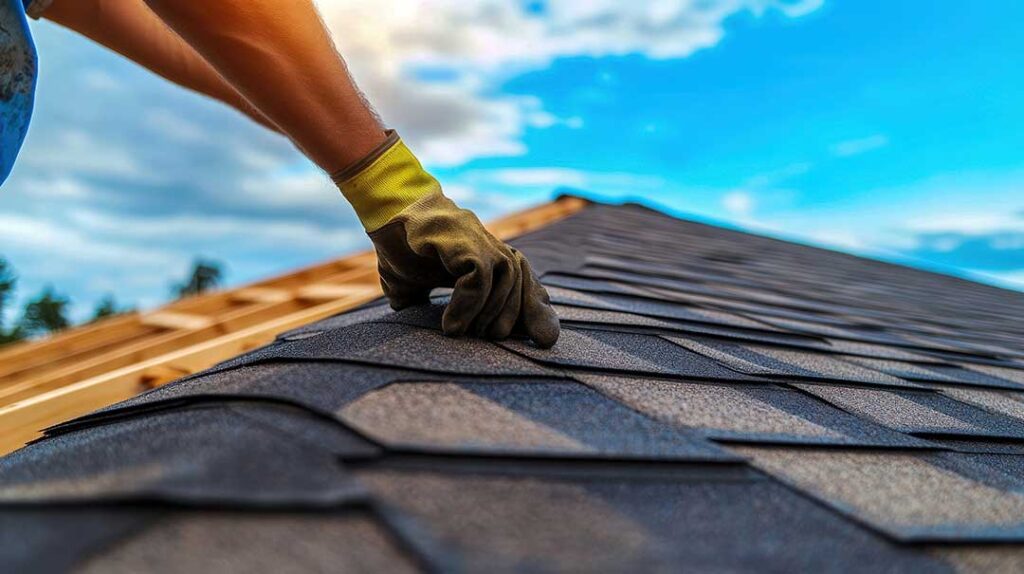
Replacing a roof is a major household expense, and the right financing choice depends on urgency, available savings, home equity, credit, and how long the property is likely to be owned. For residents of Trumansburg, NY, winter weather, freeze-thaw cycles, wind, and moisture exposure can make delaying a failing roof more expensive than addressing it promptly.
Financing should be treated as a budgeting decision rather than simply a way to cover a project invoice. The total repayment amount, interest rate, fees, collateral, and monthly payment all matter.
What should be considered before financing a roof?
The first step is to separate an immediate repair from a full replacement. A roof with one isolated leak may not require the same borrowing decision as a roof with widespread shingle failure, sagging, water damage, or an advanced age.
Before comparing loans, review:
- The amount available in savings without disrupting emergency reserves
- The expected project cost, including disposal, permits if applicable, decking repairs, flashing, and ventilation work
- Whether homeowners insurance may cover damage from a specific event
- Whether the roof can safely wait until a better financing arrangement is available
- The effect of a new payment on mortgage, utility, tax, and seasonal household expenses
Insurance generally does not pay for ordinary wear, age, or deferred maintenance. It may cover certain sudden losses, such as damage from a covered wind event, but policy terms and deductibles control the outcome.
A written scope of work is useful before borrowing. Financing more than the actual project requires can create unnecessary interest costs, while borrowing too little may leave essential roof components unfinished.
Can savings pay for part of the replacement?
Yes. Using savings for part of the project can reduce the amount borrowed and lower total interest. It may also make approval easier if the remaining loan amount is modest.
However, using every available dollar is risky. Homes in the area may face other seasonal expenses, including heating repairs, tree maintenance, snow-related damage, or water-management work. A homeowner who spends the entire emergency fund on roofing may have difficulty handling an unrelated failure a few months later.
A practical approach is to preserve a cash reserve and use savings only for the portion that does not compromise essential household needs.
Is a personal loan suitable for a roof?
A personal loan can provide a fixed lump sum without using the home as collateral. The interest rate and approval terms usually depend on credit history, income, existing debt, and the lender’s underwriting standards.
Potential advantages include:
- A predictable monthly payment
- A defined payoff date
- No lien against the home in many cases
- A simpler application than some home-secured financing
Potential disadvantages include a higher interest rate than some secured options, origination fees, and a shorter repayment period that may produce a larger monthly payment. Comparing only the payment can be misleading; the annual percentage rate, finance charges, and total amount repaid are more useful measures.
A personal loan may be more appropriate when the amount needed is moderate, the homeowner wants to avoid pledging the house as collateral, or there is limited usable equity.
How does a home equity loan work?
A home equity loan provides a lump sum secured by the equity in the property. Equity is generally the home’s value minus the balance owed on the mortgage. The loan may have a fixed rate and fixed payments, although terms vary.
This structure can make budgeting easier because the borrowing amount and payment are established at the beginning. It can also offer a lower rate than unsecured borrowing in some circumstances.
The major risk is that the home serves as collateral. If payments cannot be made, foreclosure risk may exist. Home equity loans may also involve appraisal, title, closing, or other fees, so the total cost should be reviewed rather than judged by the interest rate alone. The Consumer Financial Protection Bureau advises comparing fees and total costs, not only monthly payments. ([consumerfinance.gov](https://www.consumerfinance.gov/ask-cfpb/what-is-a-home-equity-loan-en-106/?utm_source=openai))
What is different about a HELOC?
A home equity line of credit, or HELOC, is a revolving line secured by the home. Instead of receiving one fixed amount, the borrower draws funds as needed up to a credit limit.
This can be useful when the final scope is uncertain, such as when hidden decking or water damage may be discovered after shingles are removed. A HELOC may also allow borrowing only what is needed rather than paying interest on a full lump sum immediately.
The risks are different:
- Interest rates are often variable.
- Monthly payments can change.
- The line may have annual, transaction, or closing fees.
- The lender may limit additional borrowing if property values or financial conditions change.
- Failure to repay can put the home at risk.
The CFPB describes a HELOC as an open-ended loan that may allow repeated borrowing during a draw period, but warns that homeowners should use one only when they are confident they can manage the payments. ([consumerfinance.gov](https://www.consumerfinance.gov/ask-cfpb/what-is-the-difference-between-a-home-equity-loan-and-a-home-equity-line-of-credit-heloc-en-247/?utm_source=openai))
Does a cash-out refinance make sense for a roof?

A cash-out refinance replaces an existing mortgage with a larger one and provides the difference in cash. It may appear attractive if the new loan has favorable terms, but refinancing the entire mortgage for a roof can be expensive.
Costs may include new closing charges, appraisal expenses, and a longer repayment period. A homeowner could also lose a favorable existing mortgage rate or pay interest on the roof for decades.
This option deserves especially careful review when the roof is the only major expense. A smaller, separate loan may be less costly than restructuring the entire home loan.
Are contractor payment plans or promotional financing safe?
Some roofing agreements may include payment schedules or financing offers arranged through a third party. These should be reviewed as credit products, not treated as discounts.
Ask for the written terms, including:
- Interest rate and annual percentage rate
- Deferred-interest conditions
- Origination or administrative fees
- Late-payment penalties
- Prepayment rules
- Required down payment
- Whether the lender or contractor receives payment before the work is complete
New York guidance recommends written home-improvement contracts for projects of $500 or more and says payment arrangements and finance charges should be included. It also cautions consumers not to let a contractor steer them toward a particular lender. ([dfs.ny.gov](https://www.dfs.ny.gov/consumers/fraud_cyber_protection?utm_source=openai))
A low introductory payment may not represent the long-term cost. Special attention is needed when a promotion says “no interest” for a limited period but charges accumulated interest if the balance is not fully paid by the deadline.
Could roof financing affect taxes?
Possibly, but tax treatment is not automatic. IRS guidance says interest on debt secured by a home may qualify for a deduction in some circumstances when loan proceeds are used to buy, build, or substantially improve that home. The IRS specifically lists installing a new roof as an example of a substantial improvement. ([irs.gov](https://www.irs.gov/publications/p530?utm_source=openai))
Eligibility depends on the loan structure, use of the funds, filing situation, debt limits, and whether the taxpayer itemizes deductions. Repairs and maintenance may be treated differently from improvements. A tax preparer can explain the rules for an individual household; loan interest should not be assumed to be deductible simply because the money was spent on a roof.
What financing choice is usually the least risky?
There is no universal answer. In broad terms:
- Cash avoids interest but should not eliminate emergency reserves.
- A personal loan avoids using the home as collateral but may cost more in interest.
- A home equity loan offers predictable payments but places the property at risk if payments are missed.
- A HELOC provides flexibility but may have variable payments.
- A cash-out refinance can spread costs over a long period but may add substantial closing costs and mortgage interest.
For a home in a cold, wet climate, postponing necessary work can allow minor leaks to affect insulation, ceilings, framing, and interior finishes. The soundest choice is usually the one that addresses the actual roofing need while leaving enough room in the household budget for winter expenses and unexpected repairs.
