
What Are the Primary Risks of Walking on a Roof in Trumansburg, NY?
Walking on roofs carries real risks, including falls, slips, and roof surface damage. In Trumansburg, the combination of seasonal weather—like icy winters, rainy springs, and leafy autumns—can introduce additional hazards unique to the region. Roof pitch, material, and the presence of moss or wet leaves all contribute to potential dangers, even during mild weather. Understanding these risks helps residents make more informed decisions about whether and how to access their roofs.
When Do Local Residents Need to Walk on Their Roof?
There are times when accessing a roof seems necessary, such as cleaning gutters, checking for storm damage, or addressing leaks. In Trumansburg, older farmhouses, Victorians, and mid-century homes often have steep or irregular rooflines. Residents should consider whether a task can be performed from a ladder instead, but for jobs requiring roof access, planning ahead minimizes risk.
What Preparations Should Be Made Before Stepping Onto a Roof?
Having a clear plan and inspecting the workspace are first steps. Before anyone goes onto a roof, these preparations are recommended:
- Review the weather forecast—avoid windy, rainy, or icy days common in this area.
- Notify someone in your household or a neighbor before starting.
- Inspect boots for clean, grippy soles—mud, grass, or wet leaves stuck to shoes easily cause slips.
- Check the roof edge from the ground for visible damage or instability, which can indicate unsafe areas.
In neighborhoods with mature trees, falling twigs or acorns can create hidden tripping points, so these should be cleared as much as possible prior to climbing.
What Equipment Improves Safety for Local Roof Access?
Simple, practical equipment makes a difference for home projects that require being on the roof:
- Use a sturdy, fully extended ladder on firm, level ground. Secure the ladder’s footing and, if possible, tie it off at the top.
- Wear soft-soled shoes with good traction. Avoid sandals, loafers, or anything with hard, smooth soles.
- Harnesses and fall protection gear reduce risk on high or steep-pitched sections, but are less available for brief residential projects.
- Carry tools in a belt or pouch to keep hands free while climbing.
- Take along a cell phone in a secure pocket for emergencies.
Local slope and architectural quirks—like dormers or complex gables—may require unique approaches, so be ready to adapt.
How Do Weather and Seasonal Conditions Affect Roof Safety in Trumansburg?
Roof safety changes throughout the year. In spring and fall, heavy rainfall, moss, and wet leaves are typical obstacles. Winter brings ice dams and frozen shingles, while summer can make black roofing materials dangerously hot by midday.
Slippery conditions are common from November through March, especially on shaded or north-facing roofs. Even on a clear day, morning dew can linger and make surfaces slick. Waiting for the roof to be dry and checking for remaining ice along valleys or edges is generally safer.
What Are Safe Walking Techniques for Steep or Unstable Roofs?
Even with all precautions, walking on a roof rarely becomes routine. Key techniques include:
- Stay low and move slowly. Keep your center of gravity near the roof to reduce slipping.
- Step gently and try to walk near the roof’s peak (ridge), where it’s most stable.
- Avoid stepping on wet or mossy areas and skip visibly damaged shingles or soft spots.
- Move horizontally rather than up and down the slope when possible; if you must descend, face the ridge and work backwards, as on a ladder.
If a section feels flexible underfoot, move away immediately, as this can signal hidden water damage or rot, particularly in older Trumansburg homes.
How Can Roof Damage Be Prevented While Walking?
Protecting both yourself and your home involves thoughtful foot placement and gentle movements. Common mistakes include:
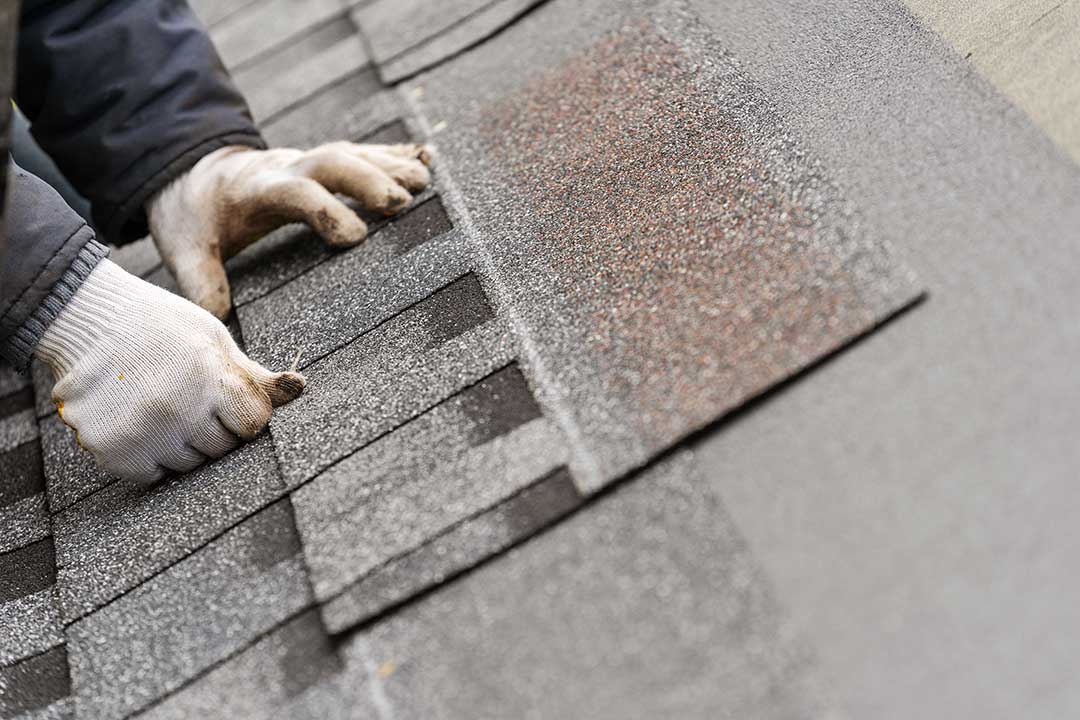
- Dragging feet, which can dislodge shingles or scrape roof coatings.
- Stepping on or near raised nail heads or curled edges, which can cause both injury and shingle breakage.
- Using unnecessary force—light, deliberate steps are less likely to scuff asphalt, break tiles, or crack slate, all of which are found across area homes.
Carrying heavy objects increases the risk of both personal injury and material damage; use corded buckets or ropes to move tools and debris when possible.
What Should Be Avoided When Accessing a Roof?
Some actions significantly increase the likelihood of accidents or damage. Avoid:
- Walking on the roof when it is wet, icy, or covered with debris.
- Climbing with tools in your hands.
- Jumping between roof levels, or stepping on unsupported eaves or skylights.
- Bringing pets or children onto the roof, as distraction and poor footing multiply risks.
- Attempting tasks in poor visibility or strong winds—common in spring and fall—when balance can easily be lost.
When Is Roof Access Not Advisable for Residents?
While many maintenance tasks are within reach, there are situations where climbing onto the roof poses too great a risk for most residents. Access should be avoided:
- During or after freezing rain or heavy snowfall.
- If the roof appears saggy or bounces under gentle foot pressure.
- When involved in repairs that require concentrated activity on steep slopes or fragile surfaces like older slate or clay tile.
- If an individual has concerns about balance, mobility, or vertigo.
Safe judgment—based on the specific house, the skills of the person involved, and the local weather—should always guide decisions about accessing rooftops in Trumansburg.
