

Why Pay Attention to Your Roof During Renovations?
Renovation projects often focus on interiors, but even work entirely inside the home can inadvertently impact the roof. Dust, falling debris, vibration, and construction materials can cause new damage or worsen existing vulnerabilities, especially in regions with wide seasonal swings like Trumansburg, NY. Overlooking roof protection can lead to unexpected leaks, insulation problems, and avoidable repair bills.
What Risks Do Renovations Pose to Roofs in Trumansburg, NY?
Dust, vibration, and outdoor storage are common sources of roof problems during renovations, regardless of project size. In the Trumansburg area, spring and fall renovations can expose roofs to sudden rain showers and fluctuating temperatures, increasing the chances of water intrusion if roofing materials are disturbed.
Examples of risks include:
- Falling shingles, tiles, or flashing disturbed by vibrations from nearby hammering or sawing
- Accumulation of debris in gutters, causing blockages and overflow during rainy weather
- Nails, screws, and tools that can puncture or crack roofing surface if dropped
- Temporary tarps or coverings that aren’t securely anchored, especially during windy conditions
- Workers walking or placing heavy materials on the roof, leading to cracked, dented, or displaced components
How Can Local Residents Prepare Their Roofs Before Work Begins?
Preparation is the most effective way to prevent roof damage. Before any significant renovation, area households should:
- Inspect the existing roof for any loose, damaged, or missing shingles/tiles.
- Clean gutters and downspouts so unexpected rainwater runs off freely.
- Ensure attic spaces are well-sealed to minimize dust and debris intrusion.
- Communicate clearly with construction crews about which areas are safe or unsafe for foot traffic or storage.
- Plan ahead if using scaffolding or ladders near roof edges; make sure weight is evenly distributed.
For older roofs or homes with unusual construction, even minor renovation work can have unexpected effects. Early inspection can reveal minor concerns before they become serious problems mid-project.
Should You Cover or Protect the Roof Directly?
Direct protection may be necessary for certain projects. If there’s demolition, roof access, or storage of materials close to the roofline, residents often use one or more of these solutions:
- Heavy-duty tarps anchored securely along the edges to guard against falling debris or dust infiltration
- Temporary plywood decking over particularly vulnerable areas, such as transitions between different elevations or over attics
- Foam padding or specialized mats in locations where workers may need to step briefly for access
Care needs to be taken with plastic tarps or thin coverings, as condensation or moisture trapped under these can actually accelerate damage, especially during the humid periods common in Trumansburg’s spring and fall.
What Are Common Mistakes Residents Make When Renovating?
Residents sometimes overlook the roof entirely, assuming interior projects won’t have any external effects. Other common errors include:
- Failing to clear gutters prior to large projects, leading to water overflow and trapped debris
- Allowing construction debris to accumulate on the roof, blocking valleys or damaging shingles under weight
- Skipping post-renovation inspections, which may miss minor punctures or loose materials that can lead to slow leaks
- Storing heavy tools or supplies on the roof without regard for weight limits or the location of weak sections
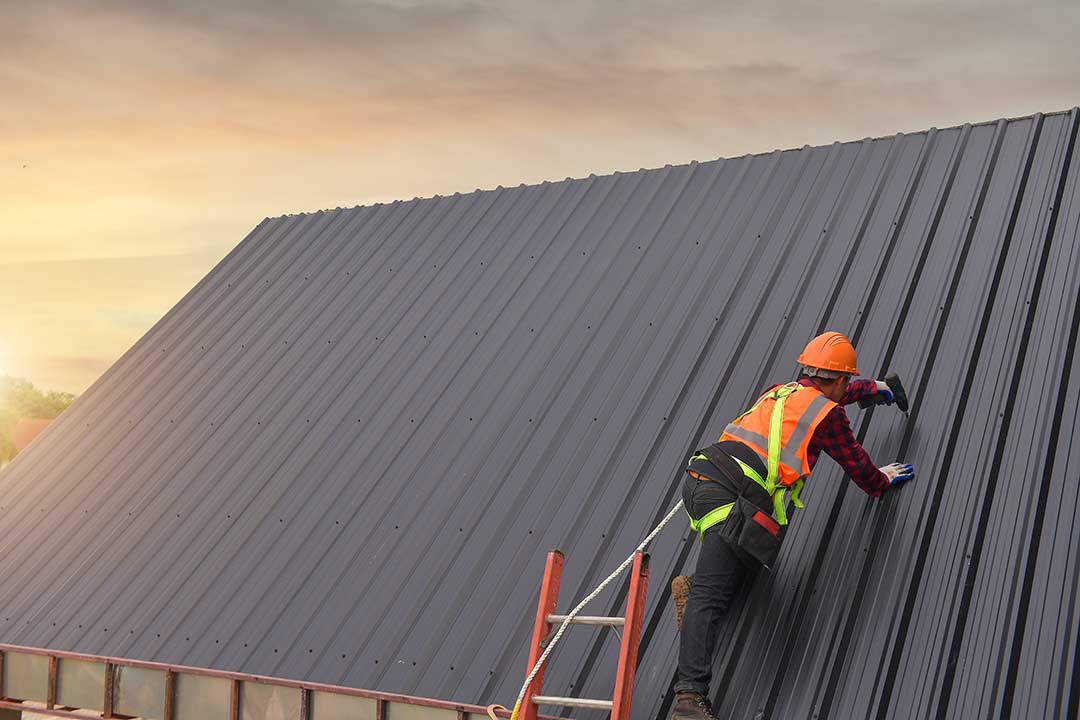
These mistakes can easily be avoided with a checklist approach and clear communication with project managers or workers.
How Does Trumansburg’s Climate Influence Roof Protection During Renovations?
The local mix of heavy snows, freeze-thaw cycles, and strong spring thunderstorms means roofs can be more vulnerable to incidental construction damage than in drier regions. Even a small puncture or displaced shingle during mild weather can escalate to a much more serious leak once the next storm or heavy melt arrives.
Area residents should avoid scheduling exterior-sensitive renovation projects immediately before or during high-risk weather periods, such as late fall (when early snow is possible) or spring (when heavy downpours or wind events are frequent). Weather forecasts should shape when and how roofs are covered or temporarily exposed during work.
When Is Professional Inspection or Repair Necessary?
Homeowners rarely need outside help for minor projects, but there are situations where expertise is required:
- If a renovation uncovers large areas of water damage, mold, or rot in the attic or underlayment
- When the home is very old or has a unique roof structure, requiring specialized knowledge to prevent accidental damage
- After any large-scale demolition or significant structural changes where roof stability or sealing may have been compromised
For safety, don’t attempt to climb onto steep or icy roofs. In these scenarios, deferring to qualified inspection helps ensure the roof remains weather-tight through changing Trumansburg seasons.
What Should Local Residents Do Immediately After Renovations Finish?
A simple post-project checklist can avoid hidden surprises:
- Inspect visible roof surfaces, gutters, and downspouts for construction debris
- Look for new cracks, holes, or shifted materials from close vantage points or with binoculars
- Check attic spaces for daylight penetration, dust accumulation, or moisture—especially after wet weather
- Ensure all flashing, vent pipes, and ridges are intact and have not been used as makeshift anchors or steps
If debris is found or minor issues appear, addressing them promptly can save considerable trouble before the next rain or snow arrives.
