
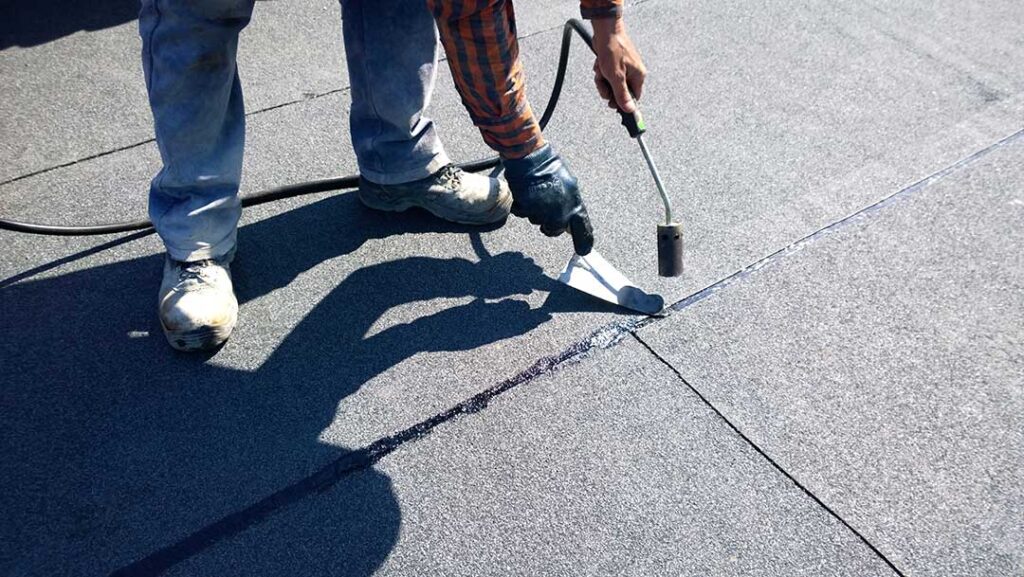
A new roof can improve a home’s value, but the financial effect is rarely equal to the full replacement cost. In most cases, the greatest benefit comes from reducing visible risk, improving marketability, and preventing the roof from becoming an obstacle during inspection, appraisal, or financing.
For homeowners in Trumansburg, NY, roof condition deserves particular attention because seasonal changes bring freeze-thaw cycles, wind, heavy rain, and snow. These conditions can expose aging shingles, weak flashing, poor ventilation, and drainage problems over time.
Does a new roof automatically increase home value?
Not automatically. A new roof generally protects or strengthens a home’s market position rather than producing a guaranteed dollar-for-dollar return.
Real estate value reflects several factors, including location, overall condition, comparable sales, improvements, and current market conditions. Appraisers typically compare the property with similar homes and consider how its condition affects buyer expectations and remaining useful life. ([appraisalinstitute.org](https://www.appraisalinstitute.org/the-appraisal-profession/how-consumers-interact-with-appraisers?utm_source=openai))
A roof replacement is more likely to add measurable value when:
- The existing roof is visibly worn, leaking, or near the end of its expected life
- Comparable homes have updated roofs
- Buyers in the area are cautious about major near-term repairs
- The replacement corrects underlying problems rather than covering them
- The work is documented and completed according to applicable requirements
A new roof may add less apparent value when the old roof was already in good condition and had many serviceable years remaining.
Why does roof condition influence buyers so strongly?
The roof is one of the most expensive and consequential parts of a house. Buyers often view an aging roof as a possible source of immediate expenses, water damage, interior repairs, mold concerns, and insurance complications.
A roof that appears near the end of its service life can affect buyer behavior in several ways:
- Buyers may offer less to account for expected repairs.
- Some may request a credit or repair before closing.
- Others may avoid the property entirely.
- A lender or insurer may require additional documentation or corrective work.
This is why a new roof can improve a home’s appeal even when it does not create a large appraisal adjustment. The improvement may reduce uncertainty. A buyer may be more comfortable purchasing a home when the roof is not an immediate budget concern.
Is replacing a roof before selling always financially wise?
No. The decision depends on the roof’s age, condition, local competition, timing, and the likely expectations of buyers.
Replacing a roof shortly before selling may make sense if the existing covering has active leaks, missing materials, widespread deterioration, or a very short remaining life. It may also help a property compete with similar homes that have newer roofs.
However, a replacement may not be worthwhile solely to make a house look newer if the roof is still performing adequately. Cosmetic improvements do not always return as much value as necessary repairs, drainage corrections, attic ventilation improvements, or other work that addresses a known deficiency.
A homeowner should compare:
- The cost of replacement
- The likely cost of repairing related water damage
- The effect of the roof’s condition on asking price
- Whether buyers in the current market are rejecting homes with older roofs
- The time remaining before the property is likely to be sold
The most financially sound choice is often the one that avoids a distressed sale or a large concession, not necessarily the one that produces the highest theoretical resale price.
How does a new roof affect an appraisal?
An appraiser considers the roof as part of the property’s overall condition. The analysis is not simply based on whether the roof is new or old. It can include visible wear, remaining useful life, workmanship, materials, drainage, and evidence of leakage or deferred maintenance.
A roof in poor condition may lead to a lower opinion of value, an appraisal condition, or a request for repairs depending on the circumstances and the type of financing involved. Federal housing guidance, for example, directs appraisers to report significant roof concerns and may require the appraisal to address a roof with very limited remaining life. ([archives.hud.gov](https://archives.hud.gov/offices/hsg/sfh/ref/sfhp1-24.cfm?utm_source=openai))
A newly replaced roof can support a favorable condition assessment, but it does not guarantee a specific increase. The appraiser still considers the entire property and the prices of comparable homes.
A homeowner can make the improvement easier to evaluate by keeping:
- Paid invoices and written contracts
- Material information and warranty documents
- Permit or inspection records, when applicable
- Before-and-after photographs
- Records of structural, ventilation, flashing, or decking repairs
Documentation does not set the home’s value, but it helps establish what work was completed and when.
What makes a roof replacement more valuable?
The quality and completeness of the work matter more than the word “new.”
A replacement may provide stronger value when it includes proper attention to:
- Flashing around chimneys, walls, skylights, and roof penetrations
- Underlayment and ice-dam protection where required
- Eave and valley drainage
- Attic ventilation and moisture control
- Damaged roof decking
- Gutter and downspout discharge
- Safe transitions between different roof sections
- Proper installation of the selected roof covering
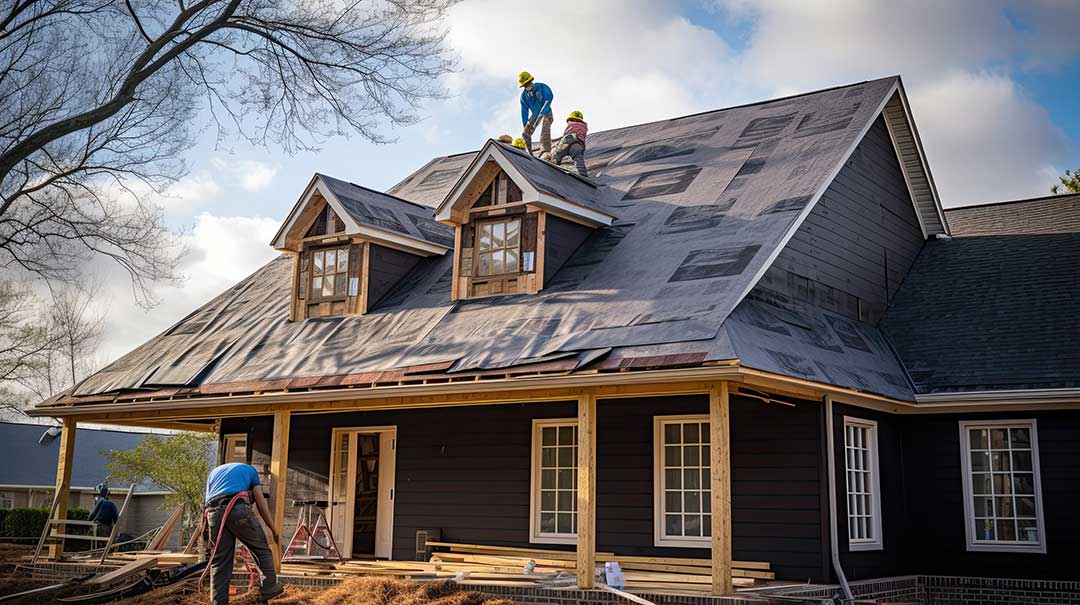
New York’s residential code includes requirements for roof coverings and underlayment, so compliance is part of a sound replacement—not an optional extra. ([dos.ny.gov](https://dos.ny.gov/2024-residential-code-new-york-state-2024-rcnys?utm_source=openai))
In a community with older houses, additions, porches, steep roof sections, and varied construction dates, correcting these details can matter more than choosing a premium-looking material. A roof that sheds water reliably is generally more valuable than one that simply appears fresh from the ground.
Do roof materials affect resale value?
They can, but material choice should match the home, structure, climate, and neighborhood expectations.
Common asphalt shingles may be practical for many homes because they are widely understood, readily maintained, and compatible with numerous residential designs. Metal, slate, tile, and other materials may offer different durability, appearance, or maintenance characteristics, but their added cost is not always fully reflected in resale value.
Buyers usually respond best to a roof that:
- Fits the architectural character of the house
- Has a neutral, well-maintained appearance
- Performs appropriately for local weather
- Does not create unusual maintenance or replacement concerns
- Has clear documentation of installation and care
An expensive material does not automatically create a premium valuation. Market value is based on what comparable buyers recognize and are willing to pay, not only on installation cost.
What should homeowners in Trumansburg watch for?
Seasonal weather can make small roof defects more consequential. Snow, wind-driven rain, ice formation, and repeated freezing and thawing can enlarge cracks, loosen materials, and expose weak flashing.
Warning signs include:
- Water stains on ceilings or upper walls
- Granules collecting in gutters
- Curling, cracked, or missing shingles
- Sagging roof lines
- Daylight visible in the attic
- Damp insulation or musty attic odors
- Repeated ice buildup along eaves
- Gutters pulling away from the roof edge
Not every warning sign requires immediate full replacement. Some problems can be repaired, while others indicate that the roof covering or underlying structure has reached the end of its practical life. Safety concerns, active leaks, structural deterioration, or work requiring permits should be evaluated with appropriate qualified assistance.
What is the most realistic expectation?
A new roof usually contributes value in three overlapping ways: it can improve condition, reduce buyer uncertainty, and help the home compete with similar properties.
The replacement may not recover every dollar spent, especially if the project is completed with unusually expensive materials or shortly before a sale. Still, a sound roof can protect the value of the structure, reduce negotiation pressure, and prevent a manageable maintenance issue from becoming a major transaction problem.
For many households, the strongest return is not a dramatic increase in the sale price. It is the added confidence that the home is dry, code-conscious, easier to insure, and less likely to require a major repair immediately after purchase.
