
Roof coatings can extend the useful life of some roofs, improve water resistance, and reduce surface wear. They are not a universal substitute for roof replacement, and their success depends heavily on the roof’s existing condition, drainage, materials, and exposure to local weather.
For homeowners in Trumansburg, NY, the choice deserves careful consideration because roofs must handle winter moisture, freeze-thaw cycles, snow, summer sun, falling leaves, and occasional wind-driven rain. A coating may be useful in the right situation, but applying one to a failing roof can hide problems rather than solve them.
What is a roof coating?
A roof coating is a fluid-applied layer spread over an existing roofing surface. After curing, it forms a continuous membrane that can help protect the roof from water, ultraviolet light, and surface deterioration.
Common coating categories include:
- Acrylic coatings: Water-based products that reflect sunlight and are often used on low-slope roofs. They generally perform best where standing water is limited.
- Silicone coatings: Highly water-resistant coatings that can tolerate occasional ponding better than many acrylic products. They may become slippery when wet and can attract dirt over time.
- Polyurethane coatings: Tough coatings that can provide good resistance to impact and abrasion. They are often used where durability is a priority.
- Rubberized or elastomeric coatings: Flexible materials designed to expand and contract with temperature changes. Their performance depends on proper surface preparation and compatibility with the roof below.
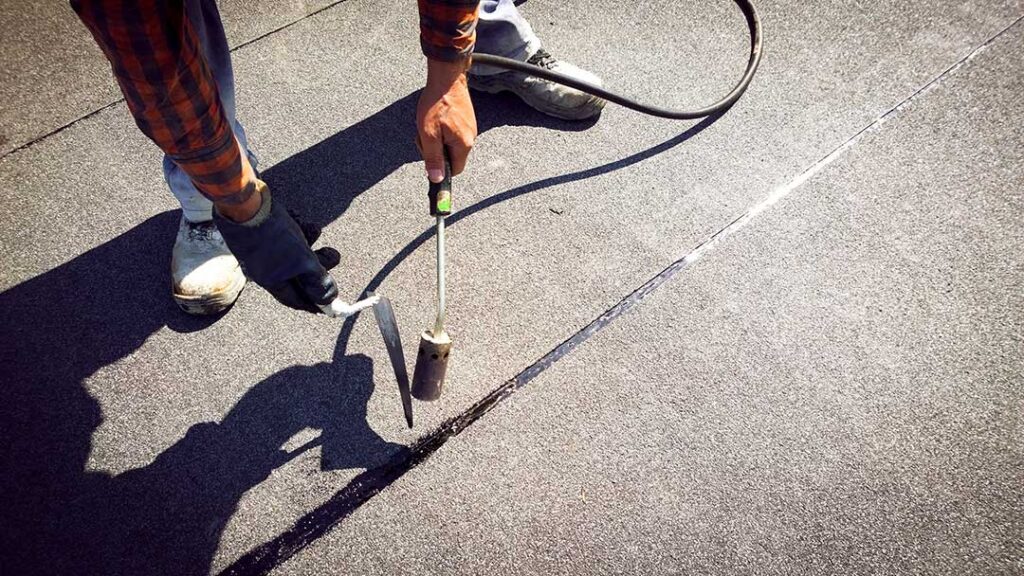
The coating itself is only one part of the system. Cleaning, repairing, reinforcing seams, treating rust, and correcting drainage problems may be necessary before application.
What are the main benefits?
The strongest argument for a roof coating is that it may preserve a roof that is aging but still fundamentally sound. A coating can add a protective layer without removing all of the existing roofing material.
Potential advantages include:
Extended service life
A properly selected coating may slow weathering and reduce exposure to sunlight, rain, and repeated temperature changes. This can be useful for a roof that has surface wear but no widespread structural or moisture damage.
The possible extension is not automatic. A coating cannot restore roofing materials that have already lost their strength, and the expected service life varies by coating type, thickness, preparation, and weather exposure.
Improved water resistance
A continuous coating can cover small surface imperfections and reinforce certain seams when used with compatible fabric or detailing materials. This may reduce minor leaks caused by aging surfaces or exposed joints.
It will not reliably stop water entering through rotten decking, open flashing joints, failed penetrations, or poorly designed drainage areas. Those defects need to be corrected rather than simply covered.
Reduced ultraviolet exposure
Reflective coatings can reduce the amount of solar heat absorbed by a roof surface. This may slow some forms of aging and can reduce roof surface temperatures during sunny weather.
The effect on indoor comfort depends on insulation, ventilation, ceiling construction, windows, and air leakage. A reflective roof coating is not a replacement for attic insulation or proper ventilation.
Less roofing waste
Because a coating is applied over an existing roof, it may reduce the amount of material sent to a landfill compared with full tear-off and replacement. That can be a practical advantage when the existing roof is stable and local disposal conditions make tear-off more disruptive.
What are the disadvantages?
Roof coatings have limitations that are often overlooked. They require a suitable roof, careful preparation, and enough time for the material to cure properly.
They cannot fix major roof damage
Coating over saturated insulation, rotten decking, widespread blistering, active structural movement, or severe membrane failure can trap problems beneath the surface. The roof may look renewed while moisture continues to damage the materials below.
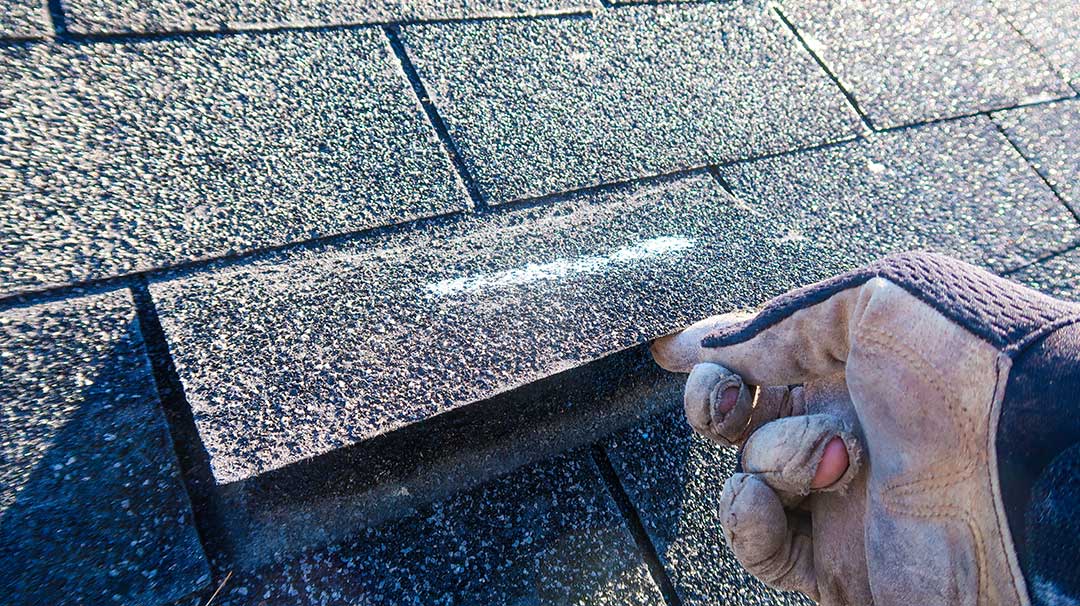
A roof should be evaluated for soft areas, recurring leaks, loose flashing, deteriorated edges, and signs of trapped moisture before coating is considered.
Preparation can be extensive
Dirt, moss, loose gravel, oil, chalking surfaces, rust, and old incompatible coatings can prevent proper adhesion. In a region with wet seasons, shaded roof areas may also hold organic debris longer than sunny, well-drained surfaces.
Preparation may include cleaning, drying, patching, seam treatment, rust removal, and primer application. Skipping these steps is a common reason coatings peel, crack, or separate.
Ponding water remains a concern
Some coatings tolerate standing water better than others, but no coating should be viewed as a substitute for proper drainage. Water that remains on a roof after rain or snowmelt can place long-term stress on the coating and the roof assembly.
Blocked drains, undersized gutters, uneven roof sections, and inadequate slope should be addressed separately. In winter, freeze-thaw movement can enlarge small defects and create additional stress.
Cold and damp weather can delay curing
Roof coatings usually need appropriate temperatures and dry conditions during application and curing. Cool nights, high humidity, rain, and early frost can interfere with adhesion or leave the coating soft for longer than expected.
This matters in the local climate, particularly during spring and fall. A coating applied too late in the season may not cure as intended before colder weather arrives.
The surface may become slippery
Some smooth coatings become slippery when wet, especially on low-slope roofs or areas that collect moisture. This creates a fall hazard during inspection, maintenance, or snow-related work.
A coated roof should not be treated as safe to walk on simply because it appears smooth and intact. Foot traffic may also damage coatings that were not designed for regular access.
Future repairs can become more complicated
A coating may cover fasteners, seams, or surface markings that would otherwise help identify the original roof system. Later repairs may require additional testing to determine what materials are underneath and which products are compatible.
Coating also does not eliminate the need for periodic inspection. Cracks, punctures, loose edges, and blocked drainage still require attention.
Which roofs are usually good candidates?
A coating is more likely to make sense when the existing roof:
- Has a stable structure and sound decking
- Shows surface aging rather than widespread failure
- Has limited, repairable leaks
- Drains properly
- Is made from materials compatible with the selected coating
- Can be thoroughly cleaned and dried
- Has enough remaining serviceable life to justify the work
Low-slope roofs are common candidates because coatings can create a more continuous water-shedding surface. However, the roof’s material and condition matter more than its slope alone.
A roof with repeated leaks, widespread wet insulation, large blisters, severe movement, or extensive material loss may be beyond the practical limits of coating.
Does a roof coating replace roof replacement?
Usually, no. A coating is better understood as a maintenance or restoration measure for a suitable existing roof. It may postpone replacement, but it does not reset the roof’s age or guarantee that concealed damage has been resolved.
Homeowners should be cautious of claims that a coating will add a fixed number of years in every situation. The result depends on the original roof, application thickness, weather, maintenance, drainage, and the quality of repairs beneath the coating.
What should residents check before choosing one?
Before deciding, look for evidence about the roof’s actual condition rather than relying only on its appearance. Useful questions include:
- Are leaks isolated or recurring in multiple areas?
- Is there soft or sagging decking?
- Does water remain on the surface after rain?
- Are seams, penetrations, and flashing secure?
- Is the existing roof wet beneath the surface?
- Has a previous coating already been applied?
- Will the coating remain flexible through local freeze-thaw conditions?
- Can the roof be kept dry during the curing period?
- Will the finished surface make inspection or maintenance more difficult?
Safety also matters. Roof surfaces can be steep, wet, icy, fragile, or contaminated with mold and debris. Falls and hidden structural damage are genuine hazards, so inspection or application should not be treated as a routine do-it-yourself project when the roof cannot be accessed safely.
For many area households, the most sensible approach is to compare coating with repair, partial replacement, and full replacement based on the roof’s remaining condition. A coating can be a useful tool, but only when it addresses a sound roof that needs protection—not a failing roof that needs reconstruction.
